
Blog
How to Style Trousers for a Smart-Casual Office Look

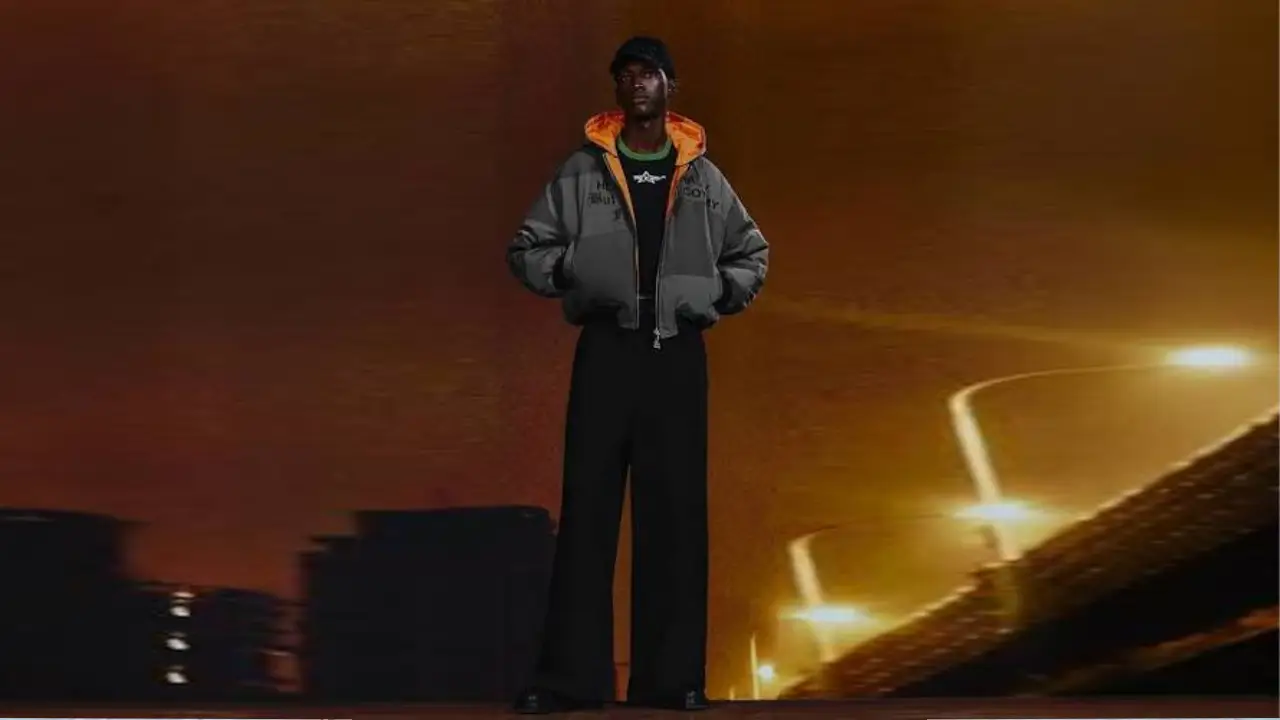
Why Smart-Casual Office Trousers Are Worth Getting Right
Smart-casual office trousers sit in a strange middle ground. They need to look sharper than jeans but never as formal as a full suit, and that gap is exactly where most outfits fall apart. The trick is picking a trouser that holds its shape without shouting “suit pants,” then building the rest of the outfit around that one piece. A well cut pair of wool blend or cotton twill trousers in a mid tone, think charcoal, olive, or a warm tan, gives you a base that pairs with almost anything in your closet. If you want a quick reference point for what a clean, versatile trouser silhouette looks like before you shop, the collection at stwd is a decent place to start browsing. Avoid anything too baggy or too skinny; a straight or slightly tapered leg reads as intentional rather than accidental. The fabric matters as much as the cut. Stiff, shiny suiting fabric pulls the whole outfit toward formal, while soft cotton or a brushed wool blend keeps things relaxed. Once you have that base trouser sorted, everything else in your outfit becomes easier because you’re not fighting the pants for attention.
Key takeaways
- Choose a mid-tone straight or tapered trouser in cotton twill or soft wool blend as your base.
- Keep shoes, belt, and watch strap matched in formality and tone to avoid a mismatched outfit.
- Get trousers re-tailored after a few wears since fabric settles and changes the fit.
Building the Top Half Without Overdressing
The shirt or sweater you choose does most of the work in signaling “smart” versus “casual.” A button-down in a soft cotton or oxford weave works well tucked into smart-casual office trousers, especially with the sleeves left down and a simple collar. Knitwear is your other strong option: a fine-gauge merino crewneck or quarter-zip layered over a collared shirt gives texture and warmth without looking like you tried too hard. Skip anything with a heavy graphic, logo, or slogan; office smart-casual leans on quiet pieces that don’t compete with each other. Blazers deserve a mention here too. An unstructured, unlined blazer in a soft cotton or linen blend softens the formality of a jacket while still giving your outfit a finished silhouette. Keep the blazer color close to your trouser color, or go a shade lighter, so the outfit reads as one cohesive block rather than two separate decisions. If you’re unsure where to find pieces that hit this middle register consistently, some readers browsing the stwd brand mention that its range leans toward simple, wearable basics rather than trend pieces, which is exactly the kind of building block this dress code rewards. For a broader look at how that lineup approaches basics overall, the stwd brand page is worth a look.
Shoes, Belts, and the Small Details That Signal “Put Together”
Shoes make or break a smart-casual office trousers outfit faster than anything else. Sneakers can work, but only clean, minimal ones in leather or suede, not chunky running shoes. Loafers are the safest bet: they bridge dress shoes and sneakers and pair naturally with tailored trousers. Derby shoes or low boots in brown or black leather also work, especially in colder months. Whatever you choose, match the shoe’s formality to the trouser’s formality; a very dressy oxford shoe with relaxed cotton trousers looks mismatched, and the reverse is true too. Belts should be leather, narrow, and close in tone to your shoes rather than your trousers. Socks matter more than people think: solid, mid-weight socks that don’t bunch or slip down keep the whole lower half looking neat when you sit at a desk. Watch straps, simple leather or metal, follow the same logic as belts and shoes: match tones, avoid anything too casual like rubber sport bands. These small choices add up. A single loud accessory, whether it’s a bright sneaker or a busy patterned belt, can undo an otherwise well-planned outfit built around solid smart-casual office trousers.
Fit, Fabric, and Proportion Over Time
The single biggest mistake with smart-casual office trousers is ignoring fit after the first wear. Trousers stretch and settle, especially cotton and wool blends, so a pair that fit perfectly in the store might need a quick trip to a tailor a month later for the waist or hem. A proper break at the shoe, whether that’s a slight crease or a clean no-break look, changes the entire silhouette more than any top layer you add. Proportion also shifts with the seasons: heavier fabrics in fall and winter, lighter cotton or linen blends in spring and summer, but the trouser silhouette itself should stay consistent so your wardrobe feels coherent year-round. Build two or three trouser colors that work across your existing shirts and jackets rather than buying one pair for every outfit idea you see online. Rotate them and you’ll notice which color gets the most use, which tells you where to invest next. Fit adjustments are cheap compared to buying new trousers every season, and a tailor can often fix a slightly-off waist or leg width for less than the cost of a new pair, keeping your smart-casual rotation looking sharp without constant repurchasing.
Frequently asked questions
Can I wear sneakers with smart-casual office trousers?
Yes, but stick to clean, minimal leather or suede sneakers rather than bulky athletic shoes. The sneaker should look intentional, not like an afterthought paired with tailored pants.
What fabric works best for smart-casual office trousers?
Cotton twill and soft wool blends are the most versatile because they hold a crease without looking as formal as suiting fabric. Avoid anything too shiny or stiff, which pushes the look toward business formal.
Should smart-casual office trousers have a break at the shoe?
A slight break or a clean no-break hem both work, but the hem needs to be intentional rather than dragging or riding up. Get this checked by a tailor if you’re unsure which suits your height and shoe choice.